

BEIRUT, Lebanon: Iran is pursuing a calculated strategy to hold on to Lebanon as its last stronghold of influence on the Mediterranean, but the Lebanese leadership resents being treated as a bargaining chip in a wider geopolitical deal.
This effort clashes with a major U.S.-backed negotiation between Lebanon and Israel, which aims to end decades of conflict along their border and reshape the balance of power in the region.
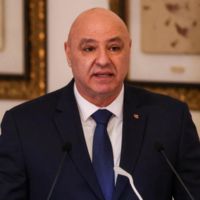
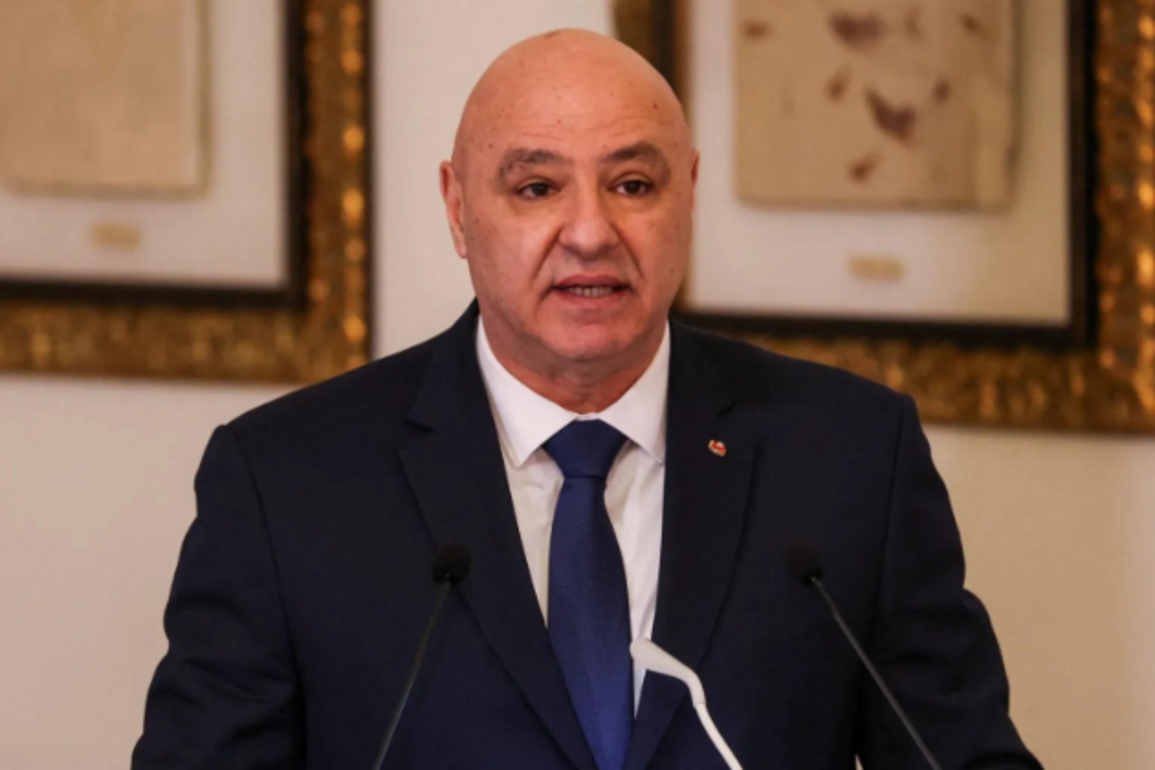
However, Lebanon is pushing back. President Joseph Aoun said that Lebanon's future should be decided by its own people, not by Iran or Israel, and described the talks as a fight to protect the country's independence.
He said Lebanon can work with Iran, but will not accept Iran telling it what to do. He stressed that Lebanon is a sovereign country and should not become a battlefield for others. Aoun also said he is committed to diplomacy, adding that there is no military solution and both sides must negotiate to end the conflict.
Even so, Lebanon is stuck. Hezbollah has openly rejected direct talks with Israel, calling them unacceptable, and has not given the government any clear plan to resolve the crisis.
Aoun warned that if Hezbollah continues fighting, it will harm the very people it claims to protect and prolong a conflict that began on March 2 alongside the Iran war, worsening Lebanon's internal divisions.
At the same time, Iran has made a ceasefire in Lebanon a condition for any wider agreement with the U.S., giving it influence over the process even though it is not officially part of the talks.
Lebanon has become even more important to Iran after the removal of Syrian President Bashar al-Assad in late 2024, who was a key ally in Iran's regional network.
Experts say Lebanon is central to Iran's strategy against Israel and serves as a key base for its activities in the region.
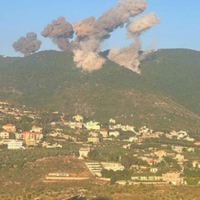
This was highlighted when Iran directly struck Israel this week in response to an attack on Beirut's southern suburbs, showing it is willing to act strongly to protect its interests in Lebanon. It was the first time Iran directly entered a Hezbollah-Israel conflict.
An Iranian official said Iran's "red lines" include any attempt to weaken Hezbollah, make attacks on Lebanon seem normal, or target Shi'ite areas. These warnings have been shared with the U.S. and Israel, along with concerns that continued fighting could damage ceasefire efforts and risk a wider regional crisis, including threats to important sea routes.
A Lebanese source said Iran was unhappy with Lebanon's decision to negotiate directly with Israel, as it reduced Iran's leverage in its dealings with Washington.
Meanwhile, the talks in Washington have made little clear progress so far.